
Company Overview
Trader Joe’s Journey: From Pronto Markets to a Beloved National Brand
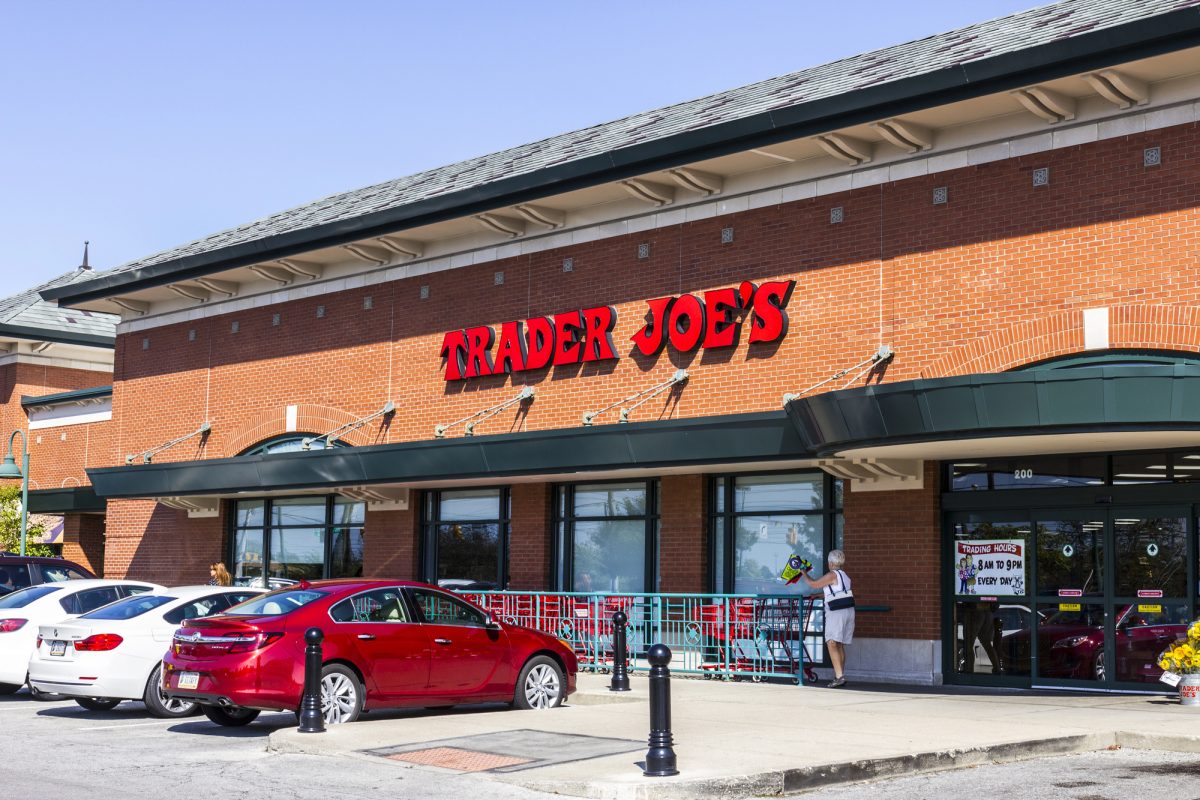
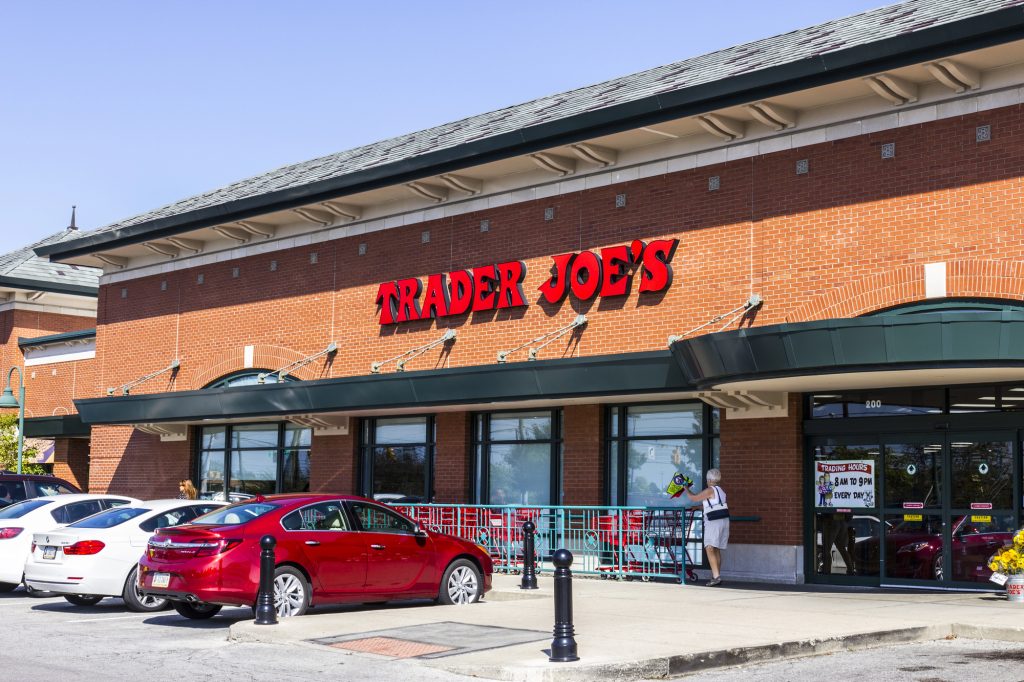
Trader Joe’s is one of the most beloved grocery chains in the United States. It stands out for its high-quality products, exceptional customer service and quirky culture. The company’s journey began in 1958 as Pronto Markets, a chain of convenience stores launched in partnership with Rexall Drugs. Joe Coulombe, who worked for Rexall at the time, was tasked with creating a competitive alternative to 7-Eleven.
Under Coulombe’s leadership, Pronto Markets grew to six locations. In 1962, he purchased Rexall’s shares and took ownership of the stores. By 1967, the chain had expanded to 18 locations. Coulombe saw an opportunity for a fresh approach and decided to rebrand the stores as Trader Joe’s. Drawing inspiration from international traders who sailed the seas, he incorporated a nautical theme into the brand.
Trader Joe’s has experienced remarkable growth since its modest beginnings. It has transformed into a national chain with 571 stores spread across 42 states and Washington, D.C. This expansion is supported by a workforce of more than 50,000 employees.
Curated Product Selection
A defining feature of Trader Joe’s is its carefully curated product selection. Unlike most grocery stores that stock their shelves with endless options, Trader Joe’s focuses on a select range of unique and premium products. This “less is more” approach has led to customer favorites like Everything But the Bagel Seasoning, Speculoos Cookie Butter and Mandarin Orange Chicken. By streamlining choices, Trader Joe’s not only simplifies the shopping experience but also enhances customer satisfaction and loyalty.

Customer Service Excellence
Trader Joe’s customer service is just as impressive as its products. The company is known for creating “wow” moments with its shoppers. This dedication to service earned Trader Joe’s 7th place on Forbes’ Customer Experience All-Stars list. This ranking, which evaluated 3,100 brands, underscores Trader Joe’s focus on delivering exceptional customer experiences.
People-First Employee Experience
Trader Joe’s outstanding customer service is directly connected to its employee-centric approach. This focus on employees has earned the company widespread recognition. In 2024, Trader Joe’s ranked 12th out of 600 on Forbes’ list of America’s Best Large Employers. This high ranking reflects the company’s commitment to employee satisfaction.
This article examines the human resource management strategies and practices that drive Trader Joe’s success. From hiring for culture fit and employee training to leadership development and workplace competitions, each element plays a vital role in strengthening the company’s competitive edge.
Culture Fit
Workplace Culture
Workplace culture is the foundation upon which organizations are built. It’s the shared set of values, beliefs and attitudes that shape the work environment and influence how employees interact, collaborate and engage with others. Trader Joe’s distinctive workplace culture is a cornerstone of its success.
Culture-Centric Hiring
At the heart of Trader Joe’s workplace culture is its hiring practices. One key element of these practices is the company’s emphasis on culture fit. This means the company prioritizes hiring individuals whose values, attitudes and behaviors closely align with Trader Joe’s culture.
Unlike many employers who focus solely on technical skills and work experience, Trader Joe’s prioritizes personal qualities. While skills and experience matter, they are not the determining factors. The company believes that personality and attitude are essential for thriving in its work environment.
As CEO Bryan Palbaum has noted, technical skills like cashiering or stocking shelves can be taught. However, traits like friendliness and a positive attitude are harder to develop. President of Stores Jon Basalone echoed this view, emphasizing that the goal is to hire “nice, kind, empathetic individuals, and then just turn them loose.”
Key Personal Traits
When assessing candidates, Trader Joe’s places a high value on personal traits that align with its culture:
- Customer-First Mindset: Demonstrates a strong commitment to going the extra mile to ensure outstanding customer experiences.
- Friendliness: Brings a warm and welcoming demeanor to all interactions with customers and coworkers.
- Positive Attitude: Maintains an optimistic and cheerful outlook.
- Teamwork: Collaborates effectively with others to achieve shared goals.
- Integrity: Acts with honesty and strong ethical principles in all actions and interactions.
Product Knowledge Training
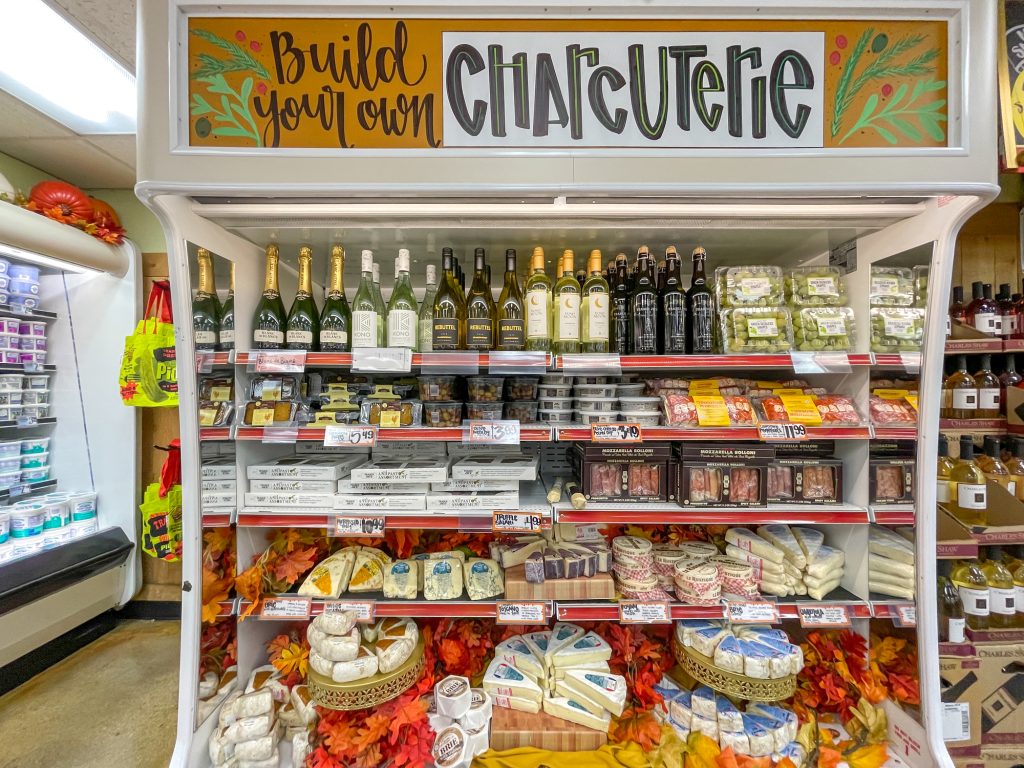
At Trader Joe’s, delivering exceptional customer service goes hand in hand with having a deep understanding of the products. From iconic items like Unexpected Cheddar and Sublime Ice Cream Sandwiches to seasonal favorites like Pumpkin Spice Pancake Mix and Candy Cane Joe-Joe’s, employees are expected to offer expert guidance to shoppers.
Knowing product details isn’t just encouraged—it’s essential to the company’s customer service strategy. To ensure employees are well-versed in its ever-changing variety of offerings, Trader Joe’s invests in product knowledge training and taste tests.
Product Knowledge Training
Trader Joe’s hosts training sessions where employees learn about the origins, ingredients and the distinctive features of their products. This knowledge allows employees to confidently answer customer questions and provide informed recommendations.
Taste Tests
Trader Joe’s holds regular taste tests to let employees sample a wide array of products. These tasting experiences help them understand product flavors, textures and more. With this firsthand knowledge, employees can accurately describe products and make authentic suggestions to customers.
Cross-Training Program
Building a versatile workforce is essential for organizations to thrive in a dynamic and competitive environment. Cross-training employees is a key strategy to achieve this versatility. Trader Joe’s demonstrates its commitment to this employee development strategy by equipping employees with the knowledge and skills to master a range of roles within its stores.
Cross-Training in Action
Inside a Trader Joe’s store, employees move effortlessly between different roles throughout their shifts. An employee might arrange product displays in the morning, operate a cash register during peak hours and manage a tasting station in the afternoon.
Benefits of Cross-Training
Trader Joe’s cross-training program delivers value to the company and its employees. At the store level, the program improves operational flexibility, boosts employee productivity and strengthens collaboration. For employees, it expands their skill sets, increases job satisfaction and limits the monotony of repetitive tasks.
Mentorship Program

The Power of Mentorship
Mentorship serves as a powerful tool for employee development. When experienced leaders mentor promising employees, mentees gain new skills, valuable insights and increased confidence, all of which accelerate their professional growth. Effective mentoring not only benefits the mentees but also enriches the mentors and strengthens the organization as a whole.
Trader Joe’s Mentorship Program Elements
At Trader Joe’s, the mentorship program strategically pairs experienced Store Managers with high-potential Assistant Store Managers. This structured approach equips mentees with the skills, knowledge and tools needed to excel in their current roles and prepare for future leadership positions.
The Trader Joe’s mentorship program integrates several essential elements to ensure an impactful experience:
- Mentor-Mentee Matches: Mentors provide guidance and support to help mentees develop their leadership skills, navigate strategic and operational challenges and achieve their career goals.
- Workbook: Participants use a customized workbook with engaging content to elevate their leadership skills.
- Mobile App: The dedicated mobile app facilitates communication, resource sharing and a sense of community among the participants. It also enhances the learning experience by offering discussion opportunities, curated articles, TED Talks and other enriching content.
Pay, Benefits & Perks

Trader Joe’s has established a reputation for valuing its workforce by providing competitive pay, comprehensive benefits and attractive perks that contribute to employee satisfaction and loyalty. These offerings underscore the company’s commitment to cultivating a positive and supportive work environment where employees can thrive.
Pay
Trader Joe’s offers competitive pay to reward employee performance and dedication.
- Salaries & Wages: The company provides salaries and wages that exceed industry averages.
- Merit-Based Raises: Employees receive biannual performance reviews that allow them to earn pay increases of up to 7% each year.
- Performance Bonuses: Store managers can earn bonuses based on their performance.
Benefits
The company provides a robust benefits package to support the health, well-being and financial security of its employees.
- Health Benefits: The company provides medical, dental and vision insurance and covers a significant portion of the costs.
- Retirement Plan: Employees can participate in a 401(k) retirement plan.
- Paid Time Off: Trader Joe’s provides paid time off that increases with each year of service.
Perks and Privileges
Trader Joe’s offers perks and privileges that enhance the employee experience and support personal and professional development.
- Employee Discount: Employees enjoy up to a 20% discount on all Trader Joe’s products.
- Scholarship Program: The company awards scholarships to help employees further their education.
- Tastings & Samples: Trader Joe’s hosts regular product tastings and offers free samples.
- Relocation Assistance: Employees receive support when transferring or relocating to a new store.
Empowerment & Decentralization
Employee Empowerment
Employee empowerment is a foundational pillar of Trader Joe’s management approach. It drives employee engagement and is vital to the company’s success. Unlike many retailers that require multiple layers of managerial approval, Trader Joe’s empowers its employees to take initiative and act independently. This freedom enables employees to make quick decisions and deliver exceptional customer service. Employees are entrusted to handle customer inquiries, recommend products and process returns in the best interest of the customer and the company.
Anecdotes of Empowerment
These real-life examples illustrate the trust and autonomy that Trader Joe’s places in its employees:
- Customer-Centric Service: As one employee shared, “We’re allowed to open a product in the store so a customer can try it before deciding whether to buy it. If a person comes in and wants a certain product that we don’t have in the store, we’re allowed to offer them an alternative to try for free.”
- Small Acts of Kindness: Another employee explained, “The managers I’ve had have been OK with me giving away flowers or a pack of peanut butter cups to a customer who’s having a bad day.”
Decentralized Decision-Making
Trader Joe’s commitment to employee empowerment extends beyond individual employees to encompass its entire management structure. By adopting a decentralized management approach, the company grants store managers the authority to make strategic decisions without waiting for approval from senior leadership. This approach allows store leaders to tailor their decisions and actions to the unique needs of their local workforce, customers and community.
Leadership Retreats
Leadership retreats offer vital opportunities for leaders to step away from their daily operations to define strategic priorities, develop skills, deepen connections and recharge. Trader Joe’s embraces this practice through its Captains’ Meeting, an annual gathering of Store Managers from its nationwide network of locations. This signature event transcends the typical leadership retreat and embodies the company’s distinctive blend of serious business strategy and playful company culture. It plays a pivotal role in elevating store leadership and performance.
Key Elements of the Captains’ Meeting
The Captains’ Meeting is designed to inform, engage and energize participants. Key elements of the event include:
- Company Briefing: Captains learn about the company’s strategic priorities to ensure all stores are working towards a common vision.
- New Product Showcase: Captains preview new products before they hit store shelves.
- Peer Networking: Captains connect with their peers to build camaraderie, exchange best practices and share ideas.
- Awards & Recognition: Outstanding stores and leaders are honored with awards like the Golden Potsticker Award.
- Fun & Games: Captains participate in a variety of games and social activities.
Workplace Competitions
Workplace competitions can be a fun and effective way to boost employee engagement, spark creativity and build camaraderie. These competitions include individual activities, such as talent shows, costume contests and fitness challenges. They also incorporate team-based competitions, like trivia games, innovation challenges and scavenger hunts.
Trader Joe’s Store Recipe Contest
Trader Joe’s harnesses the power of workplace competitions through its Store Recipe Contest. The contest challenges stores nationwide to transform everyday Trader Joe’s products into inventive and mouthwatering creations. This friendly competition not only encourages culinary creativity but also reinforces the company’s commitment to fostering employee engagement, inspiring innovation and strengthening teamwork.
Store Recipe Contest Features
- Objective: Teams create original recipes using Trader Joe’s products.
- Participants: All Trader Joe’s stores are invited to enter the contest.
- Judging Criteria: Recipes are evaluated based on creativity, flavor and presentation.
- Rewards: The winning store receives gift cards, limited-edition T-shirts and a team trophy.
2024 Contest Highlights
- Participation: 423 stores participated in the contest
- Winner: Store #209 in Woodland Hills, California
- Winning Recipe: Brooklyn Babka Ice Cream Pie
The Other Side of Success
Trader Joe’s is recognized for cultivating a positive work environment. Its competitive pay, comprehensive benefits, robust training and development and empowering culture are often cited as key strengths. Yet, despite these strengths, some employees have highlighted challenges that are not uncommon in the retail sector. These include unpredictable work schedules, physically demanding tasks, heavy workloads and inconsistent management support.
Beyond these common complaints, Trader Joe’s employees experience two additional workplace challenges: limited upward mobility and the company’s opposition to unionization efforts.
Limited Upward Mobility
Trader Joe’s has a strong track record of promoting employees from within. According to internal corporate data, 78% of Assistant Store Managers (Mates) started as Store Associates (Crew Members) and 100% of Store Managers (Captains) were promoted from the Mate position. This demonstrates the company’s commitment to internal promotion.
While this commitment is commendable, some employees have expressed concerns about limited upward mobility due to the company’s flat organizational structure. Although this structure fosters better communication and faster decision-making, it limits the number of management positions available. As a result, promotion opportunities are less frequent compared to companies with more traditional hierarchical structures.
Opposition to Unionization
Trader Joe’s has faced criticism for its opposition to unionization efforts. The company argues that its competitive pay and benefits package make unions unnecessary. However, some employees contend that forming a union empowers them to collectively negotiate for even better wages, benefits and working conditions. This growing divide has led to increased tensions between management and employees who support unionization.
Reflection & Discussion Questions

Now that you’ve explored some of Trader Joe’s human resource management strategies and practices, it’s time to reflect on how they can be adapted and applied within your organization. The following questions stimulate critical thinking, spark insightful discussions and inspire actionable improvements.
- Culture Fit: What personal qualities do you prioritize in candidates to ensure alignment with your organization’s culture and values?
- Product & Service Knowledge: What methods (e.g., training, product demonstrations, shadowing or service manuals) does your organization use to ensure employees develop a comprehensive understanding of your products, programs or services?
- Cross-Training Program Evaluation & Improvements: How does your organization evaluate the effectiveness of its cross-training program? Are there areas where the program could be improved?
- Cross-Training Program Launch: What are the potential benefits and challenges of launching a cross-training program in your organization?
- Mentorship Program Improvements: How can your organization improve its mentorship program to maximize its value for mentees, mentors and the organization?
- Mentorship Program Launch: What are the potential benefits and challenges of launching a mentorship program in your organization?
- Pay & Benefits Package Improvements: What elements of your organization’s pay and benefits package (e.g., salary levels, bonus structures, benefits offerings or employee perks) could be improved to more effectively attract, engage and retain top talent?
- Employee Empowerment: What methods does your organization implement to support empowerment across all levels of your workforce?
- Leadership Retreat Evaluation & Improvements: What are the strengths and areas for improvement in your leadership retreat? What specific changes could be made to enhance its effectiveness?
- Leadership Retreat Launch: What potential benefits could your organization gain from launching an annual leadership retreat? What key elements (e.g., strategic planning, presentations or team building) should be the focus of the retreat?
- Workplace Competitions: What types of workplace competitions (e.g., innovation challenges, talent shows, scavenger hunts or fitness challenges) can your organization implement to boost employee engagement, inspire creativity or strengthen teamwork?
Key Takeaways
Trader Joe’s remarkable journey from a small convenience store chain to a beloved national brand demonstrates the significant impact of well-crafted and well-executed human resource management strategies. At its core, the company’s success is built on several key strategies and practices:
- Culture-Fit Hiring
- Product Knowledge Training
- Cross-Training
- Mentorship Program
- Employee Empowerment Initiatives
- Competitive Pay, Benefits and Perks
- Leadership Retreats
- Workplace Competitions
For organizations striving to enhance their HR strategies and practices, Trader Joe’s offers valuable lessons in building a thriving workplace. By adapting these proven strategies to your organization’s unique needs and challenges, you can cultivate a skilled, empowered and engaged workforce. Together, these elements will help you establish an extraordinary workplace ready to achieve remarkable success.
Building an extraordinary workplace starts with a single step. We wish you success as you embark on your journey to transform your workplace.
Reference Sources
- Business Insider
- CNBC.com
- Forbes
- Glassdoor
- Harvard Business Review
- Inc.com
- Indeed
- Inside Trader Joe’s Podcast
- TraderJoes.com